World Cervical Cancer Elimination Day | 17 November 2026
Cervical cancer remains a significant public health concern, particularly for women and girls who face barriers to accessing accurate information, preventive services, screening and treatment. However, it is one of the cancers that can be prevented and eliminated as a public health problem through vaccination, regular screening, early detection and timely treatment.
Every year on 17 November, the world marks World Cervical Cancer Elimination Day, an opportunity to raise awareness, address misconceptions and strengthen collective efforts towards a future where no woman loses her life to a preventable disease.
In marking this important day, Young African Women Initiatives together with the Building Futures Network, undertook awareness and educational activities aimed at increasing knowledge of cervical cancer among girls and young women.
Taking Cervical Cancer Awareness to Girls and Young Women
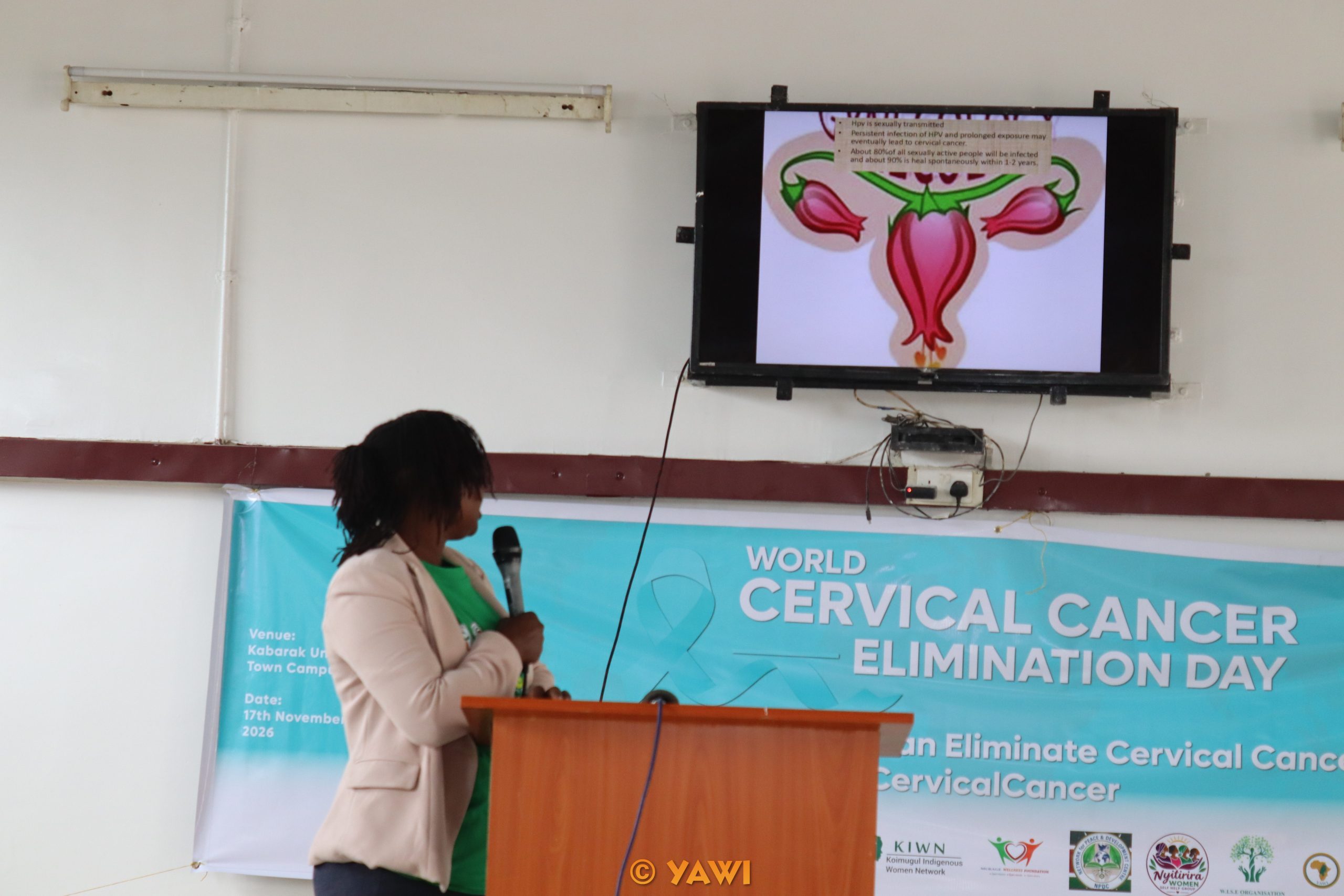
As part of the awareness activities, YAWI in partnership with the Building Futures Network, participated in an educational engagement at Kabarak University Town Campus on 13 November 2026. The activity served as a build up to World Cervical Cancer Elimination Day, bringing attention to the importance of cervical cancer prevention, early detection and access to healthcare services.
Participants were taken through discussions on the causes of cervical cancer, risk factors, signs and symptoms, available treatment options and the importance of regular screening. The sessions also provided an opportunity to address questions and misconceptions surrounding cervical cancer, while encouraging participants to seek accurate health information and make informed decisions about their health.
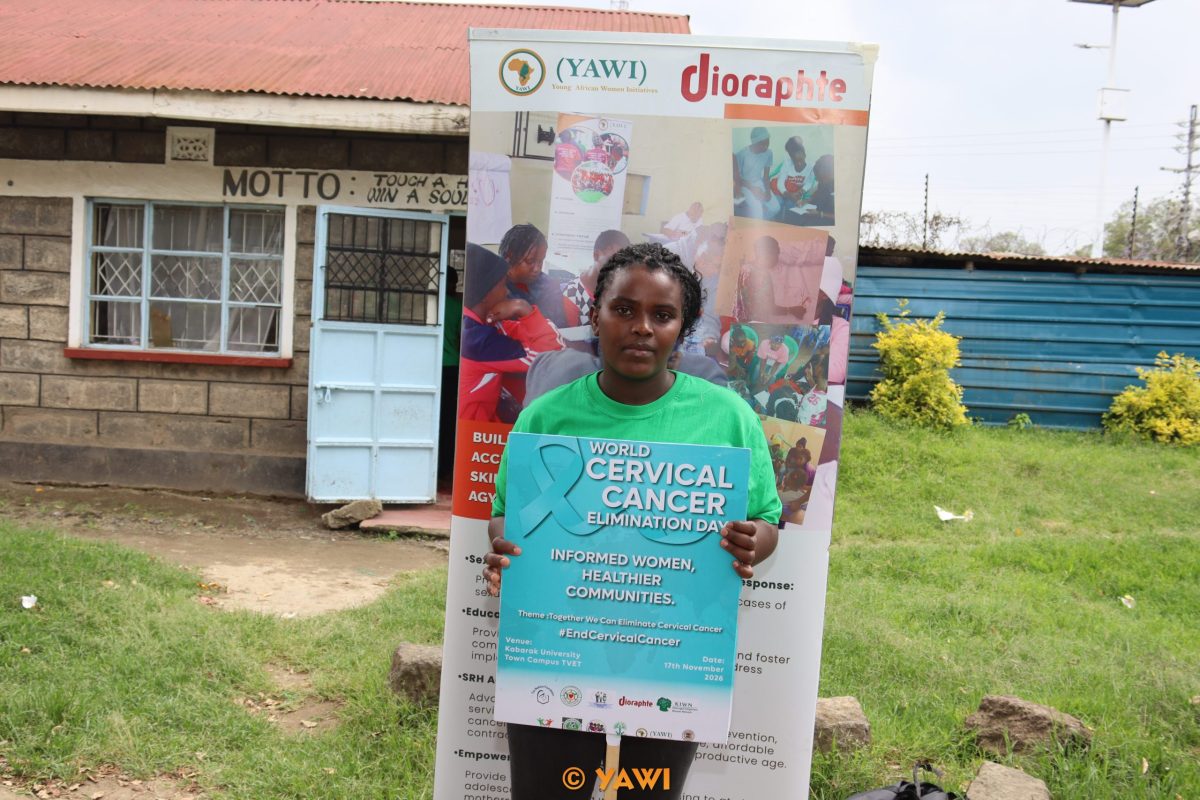
YAWI also conducted an awareness activity with girls at Empower Jamii Yetu Centre, creating an opportunity for young participants to learn more about cervical cancer and the importance of prevention. Through these engagements, the girls gained information on cervical cancer, HPV, preventive measures and the role of early detection in reducing the risk of severe complications.
By taking these conversations into learning and community spaces, YAWI continues to promote access to accurate sexual and reproductive health information, particularly among adolescent girls and young women.
Understanding Cervical Cancer and How It Can Be Prevented
Cervical cancer develops in the cervix, the lower part of the uterus. Almost all cases are linked to persistent infection with high-risk types of the Human Papillomavirus (HPV), a common virus transmitted through sexual contact.
According to the World Health Organization (WHO), cervical cancer is largely preventable through HPV vaccination and regular screening. When detected early and treated promptly, it can also be cured.
Some of the key measures for preventing cervical cancer include:
- HPV vaccination: Vaccinating girls against HPV helps protect them from the virus types responsible for most cervical cancer cases.
- Regular screening: Screening helps identify precancerous changes before they develop into cancer.
- Early diagnosis and treatment: Seeking medical attention and accessing timely treatment improves health outcomes.
- Access to accurate information: Understanding cervical cancer, its risk factors and prevention methods helps individuals make informed health decisions.
WHO has established the global 90–70–90 targets to accelerate cervical cancer elimination by 2030. These include vaccinating 90% of girls against HPV by age 15, screening 70% of women by ages 35 and 45, and ensuring that 90% of women identified with cervical disease receive appropriate treatment and care.
World Health Organization+1
Breaking Barriers Through Awareness and Education
Despite the availability of effective prevention and treatment options, misinformation, fear, stigma and limited access to healthcare services continue to prevent many women and girls from seeking the care they need.
For adolescent girls and young women, access to age-appropriate information is particularly important. Creating safe spaces where they can ask questions, share concerns and receive accurate information helps build confidence and encourages positive health-seeking behaviours.
YAWI recognizes that eliminating cervical cancer requires more than medical interventions. It also calls for sustained community awareness, meaningful engagement with young people, stronger health systems and collaboration among organizations, healthcare providers and other stakeholders.
Through its sexual and reproductive health and rights (SRHR) programmes, YAWI remains committed to empowering girls and young women with the knowledge and information they need to protect their health and exercise their rights.
Together Towards a Cervical Cancer-Free Future
The fight against cervical cancer requires collective action. Governments, healthcare providers, civil society organizations, communities and individuals all have a role to play in ensuring that prevention, screening and treatment services are accessible to everyone.
As the world marks World Cervical Cancer Elimination Day 2026 under the call “Together We Can Eliminate Cervical Cancer,” YAWI reaffirms the importance of continued awareness, education and advocacy to ensure that no girl or woman is left behind.
A future free from cervical cancer is possible when girls are protected, women have access to screening and everyone can access timely and quality healthcare.
Together, we can raise awareness, break the silence and accelerate action towards eliminating cervical cancer.
Written by
Daisy Yego.