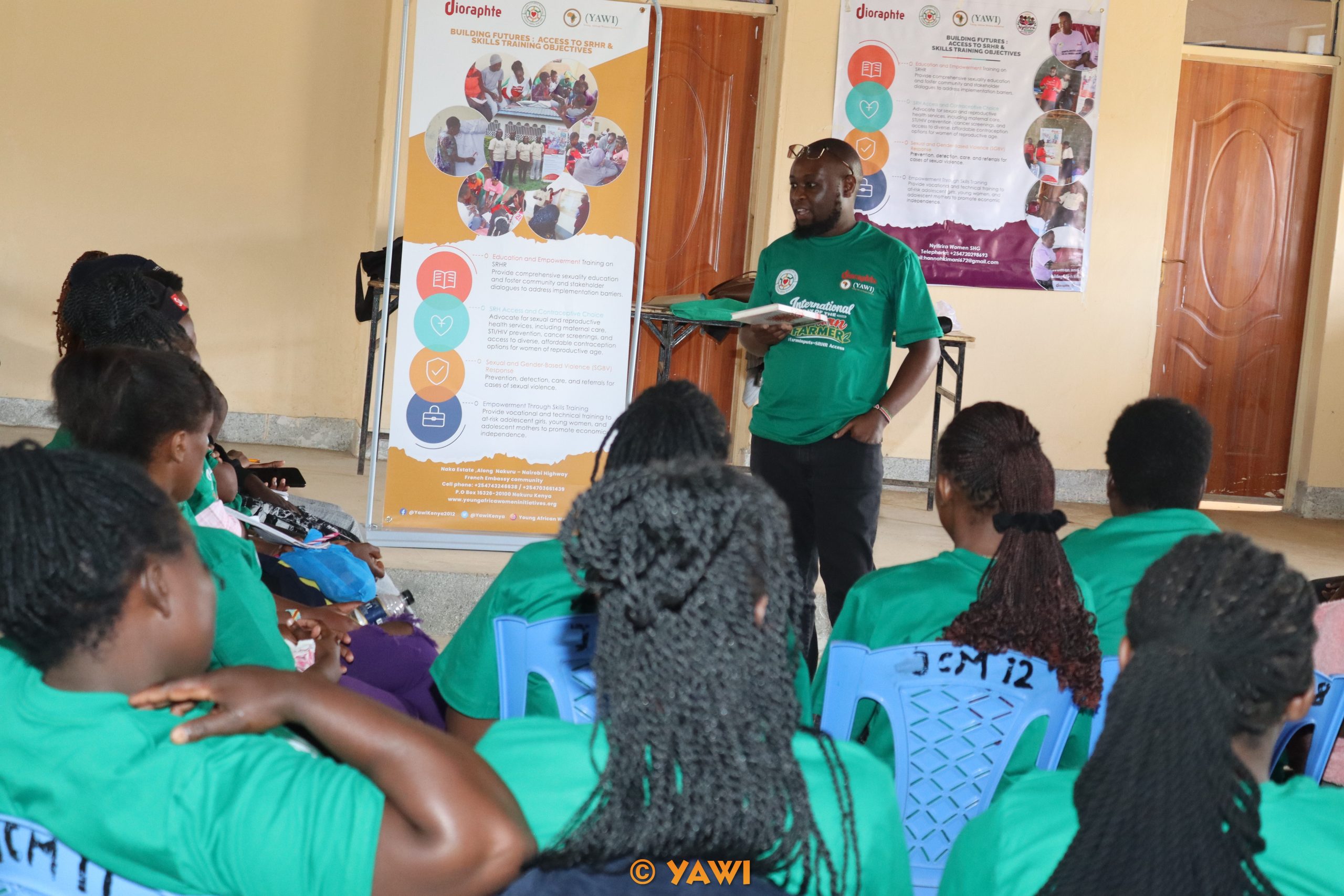
Women play a vital role in agriculture, food production and the well-being of their communities. However, many continue to face barriers to economic opportunities, access to resources and essential health services. Recognizing the importance of addressing these challenges, Young African Women Initiatives led the commemoration of the International Year of the Woman Farmer 2026 in Subukia, bringing together young women aged 18–25, including members of the Building Futures Network.
Guided by the theme, “Accelerate Gender Equality and Women’s Empowerment in Agri-food Systems,” the gathering provided a platform for young women to discuss their experiences, explore the challenges affecting their well-being and recognize their contributions to agriculture and community development.
A key focus of the gathering was the connection between women’s participation in agriculture and their Sexual and Reproductive Health and Rights (SRHR). YAWI recognizes that women’s empowerment extends beyond economic opportunities; it also includes the right to make informed decisions about their health, bodies and futures.
Participants engaged in discussions on mental health, sexual and reproductive health, and gender-based violence . These conversations highlighted the importance of access to accurate health information, safe spaces for open dialogue and reliable support systems for women and girls experiencing violence.
For young women in agriculture, access to SRHR information and services is essential to their overall well-being. When women can make informed reproductive choices, access appropriate healthcare and live free from violence, they are better positioned to participate in economic activities, pursue their goals and contribute to their communities.
Through these discussions, YAWI emphasized the importance of addressing the interconnected challenges that affect young women’s health, rights and opportunities.
The gathering also highlighted the significant contribution of young women to agriculture and food security. Their involvement in farming supports household livelihoods, strengthens local food systems and contributes to community resilience.
Despite their contributions, women continue to encounter barriers that limit their full participation in agri-food systems. Addressing these inequalities requires greater access to agricultural resources, technology, knowledge and economic opportunities, alongside recognition of women’s labour and leadership.
YAWI continues to advocate for approaches that recognize young women as active participants in development. By investing in their skills, health and leadership, communities can create more inclusive and sustainable agricultural systems.
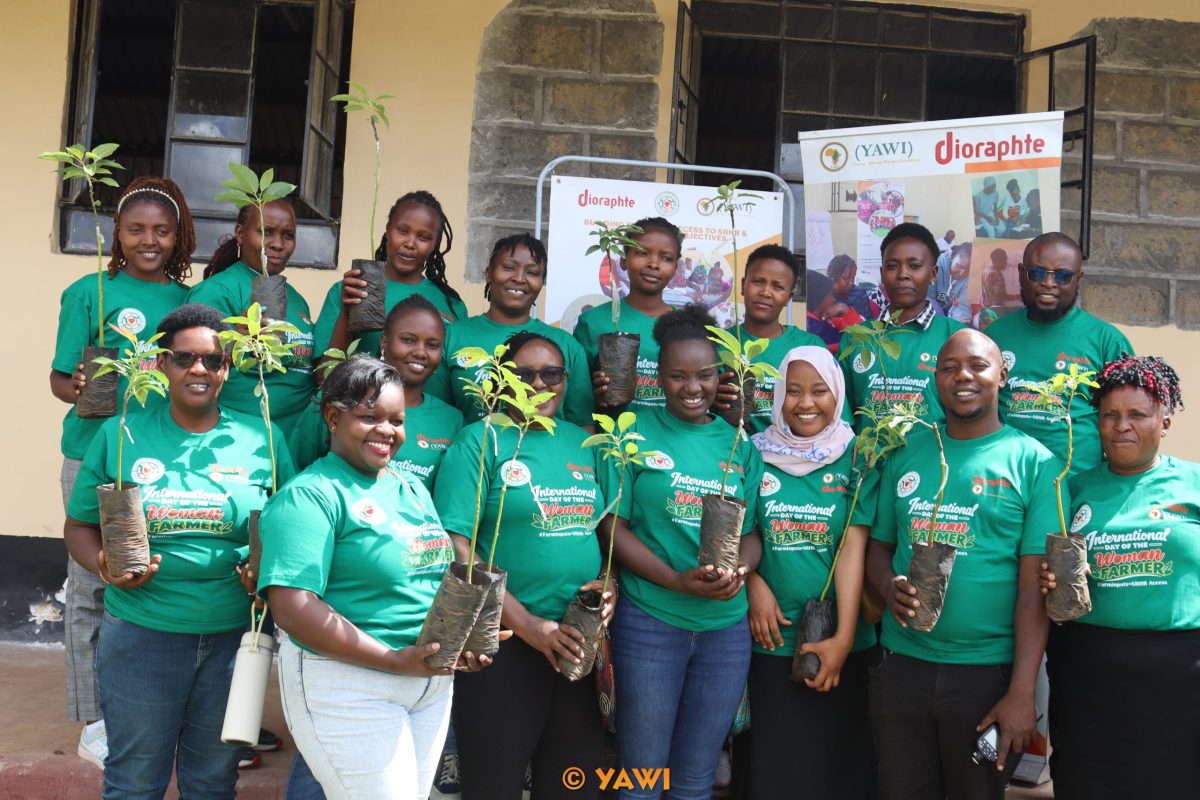
One of the highlights of the commemoration was the distribution of avocado seedlings to participants to plant in their home gardens.
The activity symbolized growth, sustainability and the importance of investing in a greener future. Avocado trees can contribute to household nutrition and provide potential long-term economic benefits, while home gardening encourages families to participate in food production.
For the young women who received the seedlings, the activity offered a practical reminder of the role they can play in promoting environmental sustainability and strengthening household food security.
The seedlings represented more than trees to be planted; they reflected the importance of nurturing opportunities that allow young women, their families and their communities to grow and thrive.
The commemoration in Subukia reinforced the importance of addressing gender inequality through an integrated approach that connects economic empowerment, health, rights and environmental sustainability.
As YAWI continues its work with young women and girls, initiatives such as this create opportunities to discuss shared challenges, build awareness and encourage action towards more inclusive communities.
Marking the International Year of the Woman Farmer 2026 was an opportunity to recognize women’s contributions to agriculture while highlighting the need to remove barriers that prevent them from realizing their full potential.
Empowering women farmers means investing in their health, rights, livelihoods and leadership. When young women have the resources and opportunities they need, they can help build healthier communities, stronger food systems and a more sustainable future.
By Daisy Yego.